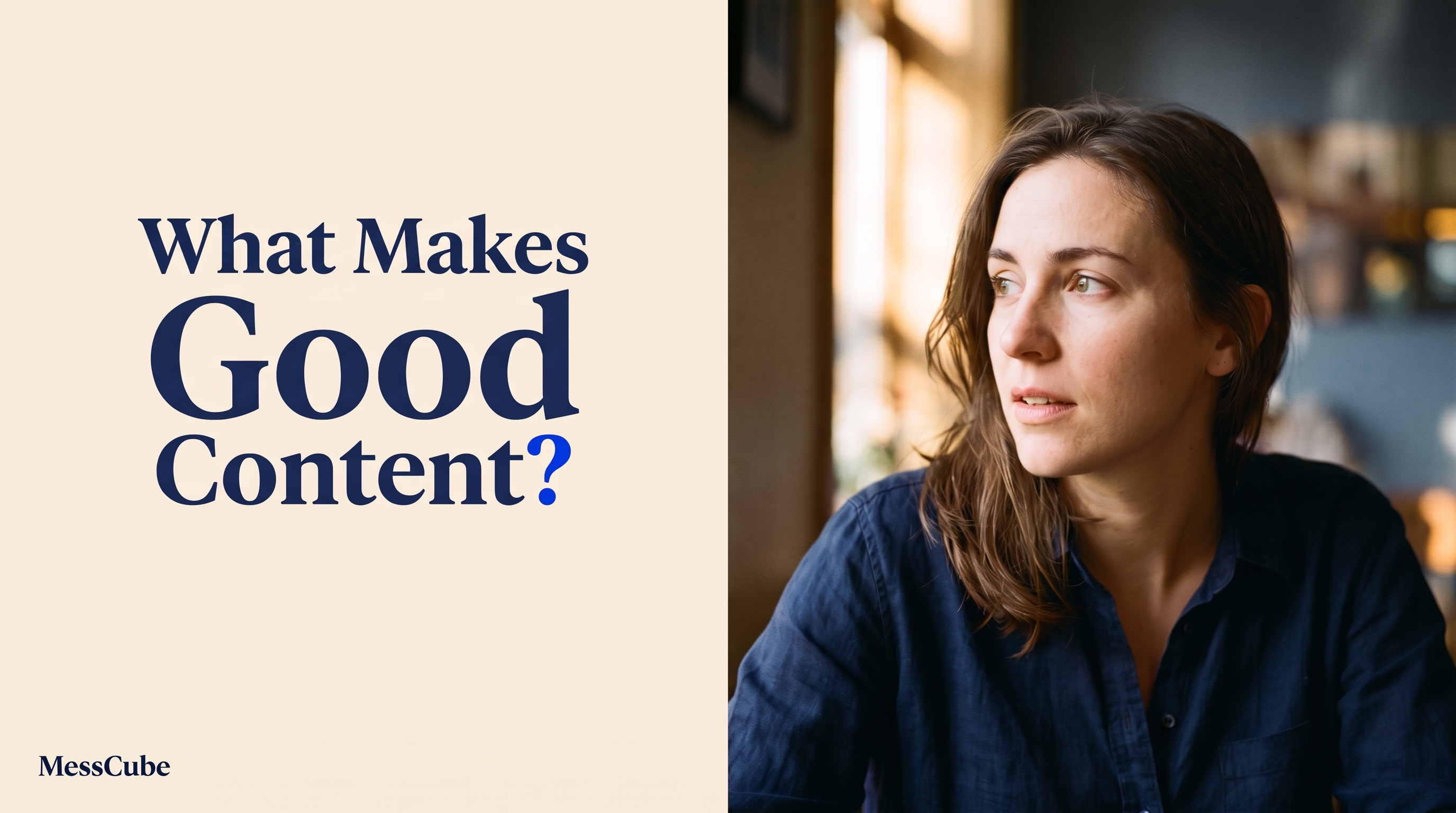
We set out to create the best AI for creating ads in the world, but along our journey we discovered something much deeper. We discovered the science of understanding people, and all the external, hidden forces that influence them. As humans we are much easier to persuade than many realize, and those who've mastered the art of persuasion have accumulated much success in their lives.
So over the past year and a half we dug deeper to understand the movement of the market. To understand the type of content people are consuming, and why they consume it. To catch trends before they go mainstream. And most of all, to understand the social media algorithm at scale, to see what content it's prioritizing for people.

Image credit: Ad Age, Best Campaign of June 2026
So what makes good content? One thing is for sure: it's not the product. Because let's get one thing straight. No one cares about your service or your product. The only thing they care about is how it makes their lives better. This applies not only to the product or service you provide, but also to the way you market it.
This is a crucial piece of the puzzle most junior marketers miss, and, on that note, so does most AI. Good content is all about emotions: the feel, the passion that backs up the presence of the product. By itself, the product means nothing, but combined with the emotions of the people it serves, it means everything. Emotion is what gives the product meaning. So how can brands leverage it?
The best way is to first identify the market your product is serving. It can be anybody. Then, after looking at the people in that market, we can draw a picture of their lives before our product existed, and after it launched. Their lives may improve in many different ways, and that's a good thing. We can create a before-and-after scenario for each aspect. To take it one step further, the "after" doesn't even need to be a visible difference. It could be as simple as a "cooler" or "more relaxed" expression.
And that's where it lies: in the simple things. How much of an emotional change does your content provide? Humans are emotional beings, and we amplify and distribute emotion like computer receptors. It's a built-in function of ours. So when we see expressions, or things that make us feel a certain way, like nature, we tend to replicate it. This is where a combination of emotion, mood, and the way it's put together makes all the difference.
So next time you create an ad, don't use generic product visuals. They mean nothing. Instead, portray emotion by any means, across all frames, because that's what drives the story. That is the end goal: to make people FEEL.